Landscape architecture
What makes a public space a place people want to spend time in?
Why do some city squares invite people to stop and spend time, while others are simply places to walk through? Good public space is about more than attractive design. It is about how people move, interact and feel in their surroundings. Discover what makes public spaces work and how landscape architects contribute to better urban environments.
A beautiful square, a newly created park or a modern pedestrian area – on paper, everything may seem ideal. Yet sometimes people simply walk through these spaces, the benches remain empty and nobody feels inclined to stay. Why do some public spaces attract people, while others seem to be waiting for visitors?
Creating a good urban environment is about much more than attractive design or planting new trees and flowers. It requires understanding people's needs, taking their movement patterns into account and creating an environment where people feel comfortable, safe and welcome.
Attractive Design Alone Is Not Enough
When designing public spaces, it is easy to focus on how a place looks. Paving materials, lighting, planting areas and street furniture are selected. However, the true quality of a space only becomes clear when people start using it.
Is there somewhere comfortable to sit? Is there shade on a hot summer day? Is it easy to move around with a pushchair or in a wheelchair? Do pedestrians feel safe, and does the environment invite people to stop and spend time there?
If these questions are not given enough attention during the planning process, the result may be visually appealing but uncomfortable in everyday use.
Why Do People Avoid Spending Time in Certain Places?
There can be several reasons, and they often influence one another.
Lack of shade and shelter. An open square can become uncomfortably hot in summer and unpleasantly windy in colder weather. Trees, greenery and thoughtful spatial design help create a more comfortable microclimate.
Too few seating options. Without comfortable benches or other places to rest, people have little reason to spend time in a public space.
Inconvenient walking routes. Disconnected pavements, difficult crossings and poorly planned pedestrian flows make a space less accessible and comfortable.
A lack of vitality. When a space offers no activities, greenery or meaningful connections with surrounding buildings and streets, it can become little more than a passageway.
Lack of a sense of safety. Poor lighting, hidden corners or limited visibility can make public spaces feel uncomfortable, especially in the evening.
The quality of an urban space therefore does not depend on a single bench or tree, but on how all the different elements work together.
Estonia Offers Examples of Different Approaches to Public Space
Over recent decades, several distinctive public space projects have been developed in Estonia, demonstrating how differently urban environments can be designed.
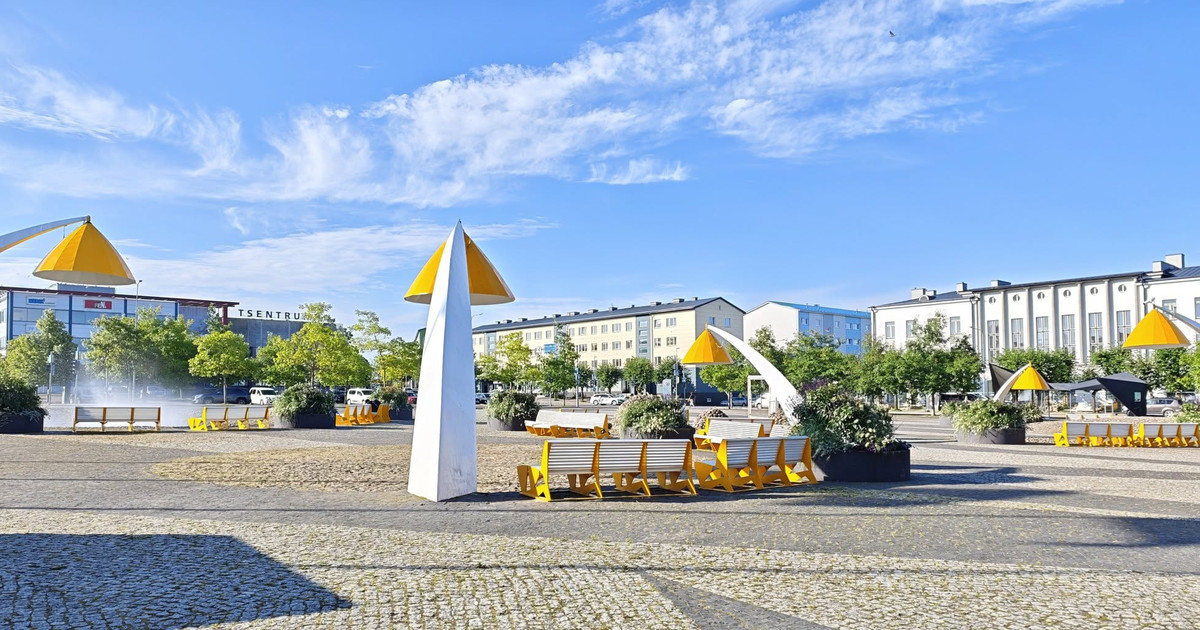
One of the most recognisable examples is Rakvere Central Square, completed in 2004. Its angular geometry, distinctive paving and large dome-shaped lighting structures stood out from the more traditional approach to designing town squares. The design sparked differing opinions at the time, but also brought considerable attention to Rakvere and became one of the town's defining features. It demonstrates that public spaces do not always have to follow conventional design principles – what matters is that the solution is carefully considered and gives the place its own character.
A different approach can be seen at Tartu Railway Station Square. Previously, the area in front of the station was largely a traffic hub, leaving limited space for pedestrians. The redevelopment, completed in 2017, changed the priorities of the space: the central area was designed for pedestrians and cyclists, while car and bus traffic was reorganised. Greenery, seating areas and more logical walking routes were also introduced. In 2018, the project received the Estonian Cultural Endowment's annual landscape architecture award.
The redevelopment of Roosi Street in Tartu also demonstrates that good urban design is not limited to an individual square or park. The project followed an integrated approach, combining a pedestrian promenade, seating areas, bus stops and lighting. As a result, the street became more than just a place to move through – it developed into a more versatile public space.
These projects are different, but they share one important principle: when designing public spaces, it is essential to consider how people will actually use them.
Urban Spaces Should Be Designed Around People, Not Just Plans
Designing a successful public space starts with understanding who will use it and what they will want to do there.
Children need suitable play areas, older people need comfortable places to rest and move around, pedestrians need safe connections, and cyclists need logical routes. At the same time, the space should function throughout the year and fit naturally into its surroundings.
It is also important to understand how people actually move through a space. Everyday walking patterns may reveal that a planned footpath does not match people's natural routes. Taking these observations into account helps avoid situations where a completed design looks correct on paper, but people end up using the space differently from what was originally intended.
What Role Does a Landscape Architect Play?
A landscape architect's work goes far beyond selecting plants and designing planting areas. They look at the space as a whole and help connect buildings, streets, greenery, walking routes, recreational areas and people's needs.
Landscape architects may be involved in:
- designing urban squares and parks;
- developing street layouts and pedestrian areas;
- planning playgrounds and recreational spaces;
- integrating landscaping and stormwater management into public spaces;
- redesigning and revitalising existing urban environments.
A successful design takes into account the character of the location, the existing natural environment and the needs of future users. The aim is not simply to create an attractive image, but to develop a functional environment that will remain useful over time.
Public Spaces Affect Our Everyday Quality of Life
We may not think every day about why one street is pleasant to walk along, why we want to spend more time in one park, or why another square feels uncomfortable. Yet our surroundings influence our everyday choices, how we move around and how we feel.
Well-designed public spaces encourage walking, provide opportunities to meet and relax, and create a stronger connection between people and the places where they live.
A city is made up of more than buildings and roads. The spaces in between are just as important – the places where people walk, meet, relax and spend time.
A good urban space is not just beautiful to look at. It should be a good place to be.
Planning to Create a Better Outdoor Space?
If you are planning to develop a public area, improve the surroundings of a building or create a new outdoor space, it is worth involving a landscape architect at an early stage.
At BeforeBuilding, you can describe your project needs, explore the specialists who have expressed interest in your request and choose for yourself which companies you would like to ask for a quotation.
Landscape Architecture Beyond the Home Garden: How to Create a Functional and Inviting Outdoor Space
Before Building, You Should Also Assess the Trees on Your Plot – What You Need to Know About Dendrological Surveys