Landscape architecture
Should You Do It Yourself or Hire a Landscape Architect?
Designing the area around your home often starts with a few beautiful ideas. You picture a lush planting bed, a cosy seating area on the terrace, a winding garden path across the lawn, and flowering shrubs growing in a corner of the garden. It seems that all you need to do is choose the plants, and the work can begin.
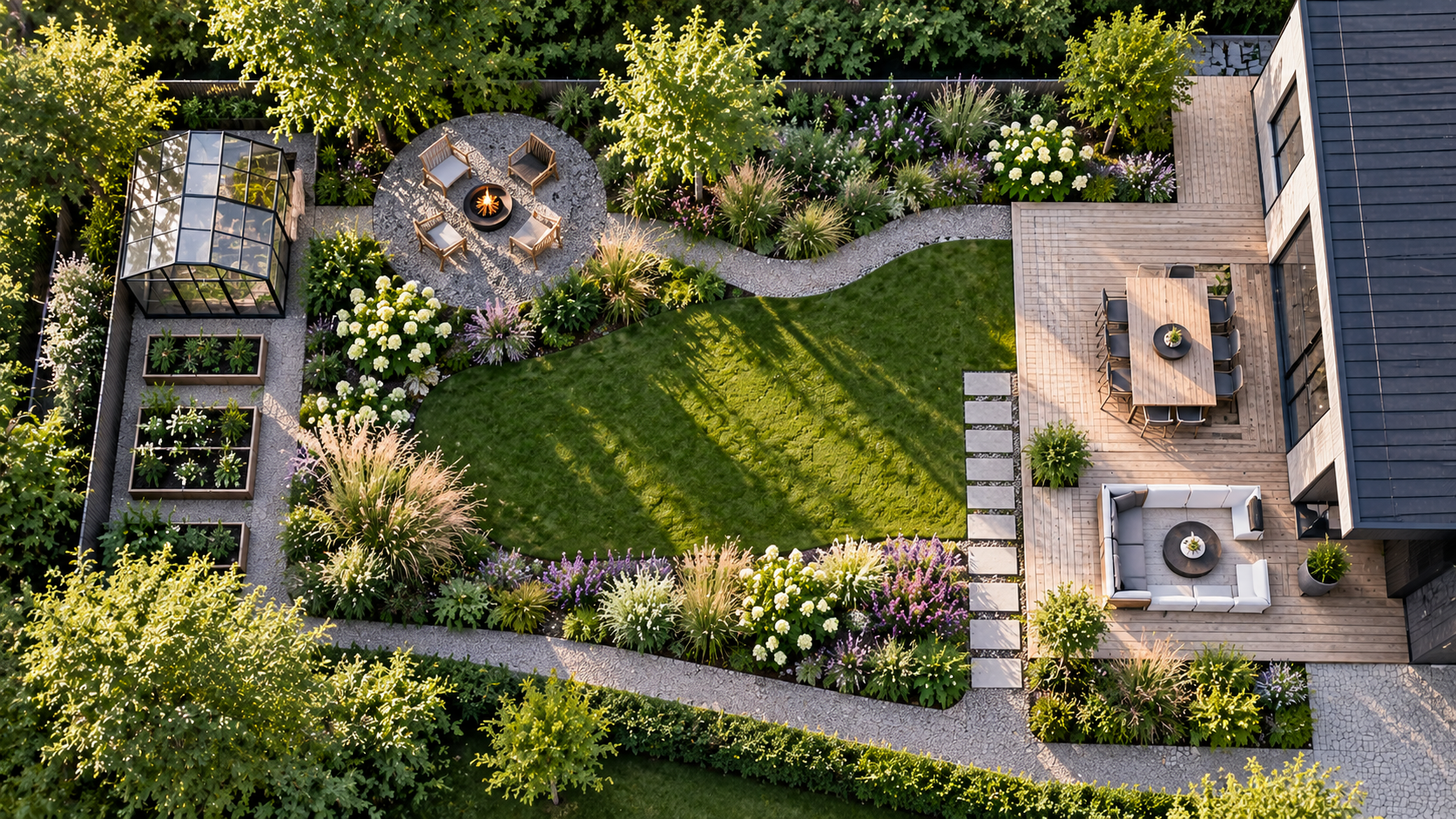
This is how many home garden plans begin — or, more accurately, with a plan for where to plant or build something. Only later do you realise that the evening sun shines uncomfortably onto the terrace, rainwater collects in the wrong place, pathways do not work as intended, plants grow too large, or different parts of the garden fail to form a cohesive whole.
Does this mean you should not design your own garden? Absolutely not. Taking an active role in creating the outdoor space around your home can be an enjoyable and personal process. However, if you want to create an outdoor space that is cohesive, practical and functional for years to come, it is worth considering working with a landscape architect.
A landscape architect is more than a garden designer. They help you understand the space as a whole, identify opportunities you might not notice yourself, and bring together the building, landscape, circulation, planting and people's needs in one carefully considered design.
1. A Garden Is More Than Plants — It Is a Complete Outdoor Space
When we think about garden design, flower beds, trees, shrubs, lawns and terrace furniture often come to mind first. These are important elements, but they make up only part of the outdoor space.
Before choosing plants and materials, it is worth considering how the entire area will function. Where is the house entrance located? What route leads from the car to the front door? Where is the most comfortable place to sit? How will children and pets move around? Where will rainwater collect? What views will you see from the kitchen or living room windows?
These questions influence a series of interconnected decisions. For example, an attractive terrace may end up being rarely used if it lacks privacy or protection from the wind. Carefully selected plants may struggle to thrive if the growing conditions have not been taken into account. A large lawn may occupy much of the plot, even though the household would benefit more from shaded seating areas, space for play or a more diverse range of planting.
A landscape architect helps create a coherent design in which all the elements complement one another. The goal is not simply to create a beautiful garden, but an outdoor space that suits your lifestyle, plot and home.
2. Why Can a Self-Designed Garden Turn into a Random Collection of Ideas?
The Estonian expression “Tootsipeenar” aptly describes a situation in which a garden gradually accumulates lots of good ideas but lacks an overall plan. A new shrub is planted in one corner, a flower bed is added elsewhere, decorative stones appear in another spot, and eventually yet another charming garden ornament finds its way into the yard.
Each element may look attractive on its own, but together they do not necessarily create a harmonious whole. The problem is not that you are designing your own garden. Difficulties arise when decisions are made one at a time, without considering how each change affects the entire space.
Without an overall plan:
- planting beds and pathways may end up in arbitrary locations;
- different materials, colours and shapes may not work well together;
- plants may outgrow their space or require more maintenance than expected;
- pathways, parking and seating areas may compete for space;
- drainage and ground levels may need to be redesigned later;
- the total cost of creating the garden may increase because completed work has to be changed.
A landscape architect helps prevent these situations. Before selecting individual elements, they assess the entire area and consider how it will function both during the first summer and many years later.
A successful garden does not have to be expensive, grand or filled with unusual plants. Sometimes the best solution is a simple, calm, low-maintenance garden in which every element serves a purpose.
3. A Landscape Architect Is a Spatial Planner, Not Just a Garden Designer
The work of a landscape architect goes far beyond designing flower beds and planting areas. At its core, the profession involves planning outdoor spaces as a whole, taking into account people's needs, the environment, functionality and spatial quality.
Site and spatial analysis. What are the strengths and limitations of the plot? How are the building, access points, neighbouring buildings and views positioned? Which areas are sunny, shaded or exposed to the wind?
Planning circulation and functions. How will people move from the gate to the house, from the car to the entrance, or from the terrace into the garden? How can parking, seating areas, play spaces and practical requirements be integrated?
Connecting the building with the landscape. How does the building fit into its surroundings? What views could be framed through the windows? How can the interior space extend outdoors, creating a natural connection between indoor and outdoor living?
Considering planting and natural conditions. Which plants are suitable for the site? How can valuable existing trees and vegetation be preserved, soil and water conditions taken into account, and an environment that supports biodiversity created?
Planning technical and spatial solutions. Where are steps, retaining walls, paths, lighting or other structures needed? How should changes in ground level and rainwater drainage be addressed?
More broadly, landscape architects also work on public spaces, parks, streets, squares, green spaces and spatial planning. The profession brings together architecture, the environment, landscape and people's everyday experience of using outdoor spaces.
4. When Is It Worth Hiring a Landscape Architect?
You do not need a large or prestigious property to benefit from a landscape architect's expertise. Even a small home garden can become much more comfortable and practical with a well-considered spatial design.
Professional help is particularly valuable when:
- You are building a new house. The building and outdoor space should be planned together so that the terrace, entrance, parking, views and planting form a cohesive whole.
- Your plot presents challenges. Sloping ground, uneven terrain, a high water table, existing trees or difficult access may require more detailed planning.
- You want to redesign an existing garden. If the garden has become disjointed or no longer meets your needs, an overall design can help determine what to preserve and what to change.
- You want a low-maintenance garden. The right plants, materials and spatial layout can reduce ongoing maintenance.
- You are planning a significant investment. Before building a terrace, outdoor kitchen, swimming pool, retaining walls or several seating areas, it is worth considering how all the elements will work together.
- You want an environmentally conscious solution. Preserving existing vegetation, managing rainwater on site and supporting biodiversity may require specialist knowledge.
The best time to involve a landscape architect is often before major construction work begins. This allows you to make changes on paper rather than after earthworks, pathways or the terrace have already been completed.
5. Does Hiring a Landscape Architect Make a Garden More Expensive?
This is a perfectly reasonable question. When the budget is limited, it may seem that landscape architecture services are an additional expense that could be avoided by doing everything yourself.
In reality, it depends on the project, the scope of work and the level of assistance you need. Sometimes an initial consultation or a conceptual spatial design is enough. In other cases, it makes sense to commission a more detailed plan covering planting, materials and technical details.
A landscape architect cannot automatically guarantee that creating your garden will cost less. However, a well-considered plan helps you make informed decisions and avoid having to redo the same work later.
For example, it may make sense to develop the garden in stages. The first stage could address ground levels, essential utilities, access points and the main pathways. The terrace, planting beds and other elements can then be added as the budget allows.
When the overall design is considered from the beginning, even a limited budget can be used to make decisions that support the desired final result. The key is not to build everything at once, but to avoid ad hoc decisions that limit future options.
6. Do You Need to Have Everything Figured Out Before Working with a Landscape Architect?
No. You do not need a finished design idea, a list of plants or a precise vision of what your garden should look like. It is enough to describe your needs and how you would like to use the outdoor space.
You might start by considering the following questions:
- Do you mainly want a relaxation area, a play space, a vegetable garden or a combination of these?
- How much time are you willing to spend maintaining the garden?
- Are privacy, openness, a sunny terrace or a shaded garden corner important to you?
- Would you like to preserve existing trees and other valuable features?
- What is your initial budget, and would you prefer to create the garden in stages?
If you have inspiration images, you can bring them along. They help communicate your preferences, but they do not have to serve as a blueprint for the final design.
The landscape architect's role is to bring your wishes together into a coherent spatial design that takes the specific conditions and potential of your plot into account.
7. What Should You Ask a Landscape Architect to Deliver?
Before starting work together, it is worth agreeing on the scope of the design you need. Not every project requires the same level of detail.
Depending on the brief, the deliverables might include a conceptual design, a functional layout of the site, a planting plan, plant selections, material recommendations, lighting principles or more technical drawings.
Larger or more complex projects may also require other specialists. A landscape architect may not design every technical element personally, so responsibilities and the division of work should be agreed upon in advance.
When requesting a quote, ask:
- exactly what the service includes and which drawings will be provided;
- whether the proposal covers an initial concept only or more detailed design work;
- whether plant and material selections are included in the price;
- whether assistance with implementing the design can be commissioned if needed;
- which tasks and specialists are excluded from the proposal.
This helps you choose a service that matches your needs, rather than paying for more than you require or discovering later that an important part of the design was not included.
Do It Yourself or Hire a Professional?
Designing your own garden can be an excellent choice if the site is straightforward, your needs are clear and you want to take an active role in the process. The most important thing is to recognise when a few individual ideas are enough and when a comprehensive plan is needed.
Hiring a landscape architect does not mean giving up your ideas or handing decision-making over to someone else. On the contrary, good collaboration helps bring your wishes to life by integrating them into a carefully considered spatial design.
The final result does not have to be a grand show garden or a design worthy of a magazine cover. It can be a simple, natural, low-maintenance outdoor space where you feel comfortable and everything has its place.
A good outdoor space is not created by adding as many beautiful elements as possible. It comes from carefully considering how those elements work together.
Find the Right Landscape Architect for Your Project
If you are planning a new home, want to redesign an existing garden or would like to explore your plot's potential before construction begins, start by describing your needs.
Through BeforeBuilding.ee, you can submit a free enquiry and connect with professionals interested in your project. Describe the outdoor space you want to create, your main expectations and the type of assistance you need.
You do not have to come up with every solution yourself. Sometimes the best first step is to involve someone who can help you see more possibilities in your plot than you might notice at first glance.
Your garden deserves a comprehensive plan. Submit a free enquiry through BeforeBuilding.ee and find the right landscape architect for your project.
Useful Sources
This article is a general practical guide. For a specific project, the required work, documentation and professional qualifications depend on the nature of the task.
- Estonian Association of Landscape Architects – Become a Landscape Architect! https://maastikuarhitekt.ee/maastikuarhitektuur/saa-maastikuarhitektiks
- Estonian Register of Occupations – Certified Landscape Architect, Level 7. https://www.kutseregister.ee/ctrl/et/Standardid/vaata/11338692
- Ministry of Climate – Council of Europe Landscape Convention. https://kliimaministeerium.ee/elurikkus-keskkonnakaitse/euroopa-noukogu-maastikukonventsioon
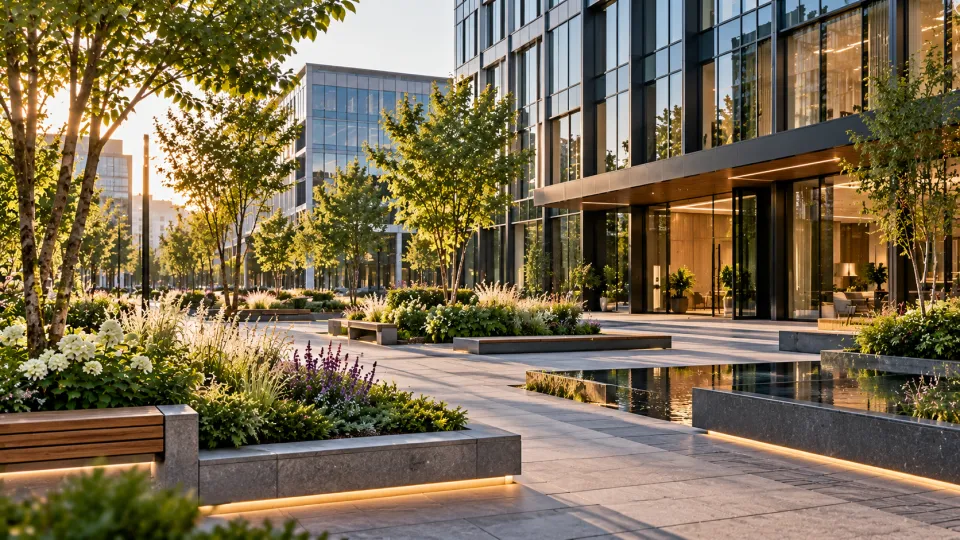
Landscape Architecture Beyond the Home Garden: How to Create a Functional and Inviting Outdoor Space
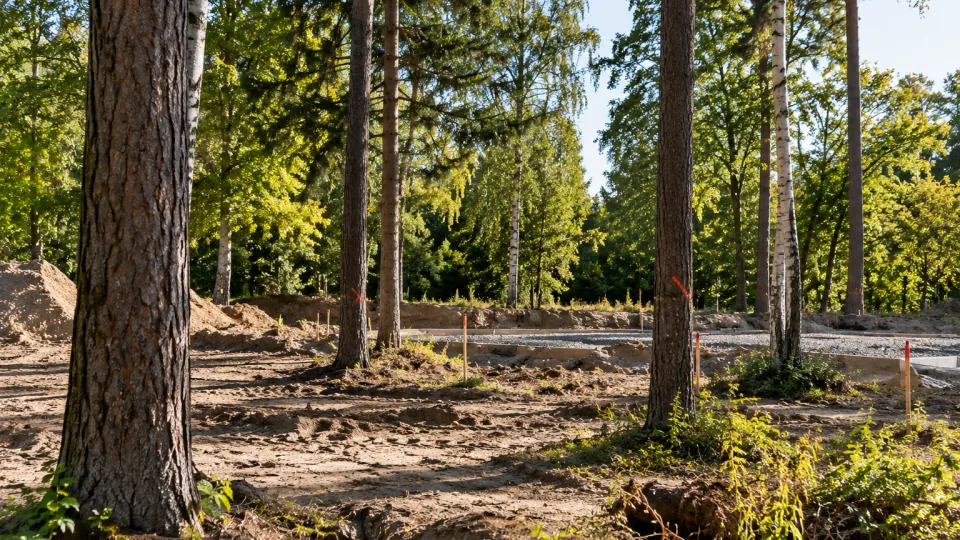
Before Building, You Should Also Assess the Trees on Your Plot – What You Need to Know About Dendrological Surveys