Preliminary studies
Before Buying or Renovating an Old House: When Do You Need a Building Inspection?
What can a building inspection reveal before buying or renovating an old house? Find out what specialists assess and when a building audit may be required.
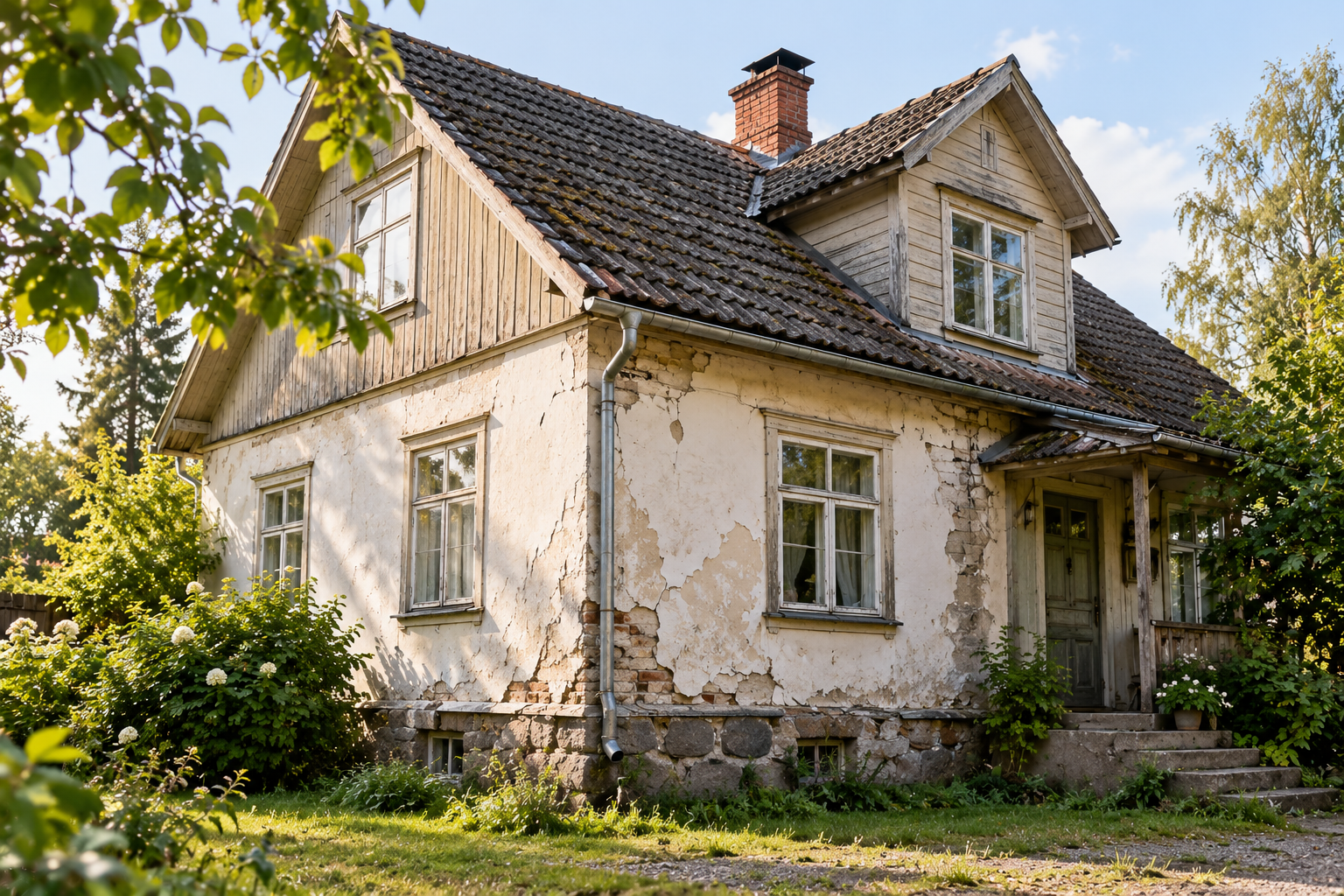
An old house may appear to be in good condition at first glance, but significant problems can be hidden beneath the roof, in the foundations or inside the building's structures. If you are planning to buy an older home or undertake a major renovation, it is worth finding out the building's actual condition before making a decision. One way to do this is to commission a technical condition assessment from a building specialist or a building audit tailored to a specific purpose.
What Is a Building Inspection?
The term building inspection is commonly used to describe an assessment of the technical condition of a building or part of it. A specialist examines the property, assesses visible damage and potential risks, and provides an assessment within the agreed scope, identifying what may require further investigation or repair. If necessary, the assessment may include measurements, opening up building structures, material testing or involving other specialists.
It is important to understand that a building inspection, a technical assessment and a statutory building audit do not always refer to exactly the same service. A building audit is a procedure defined by legislation that aims to assess a building's compliance with applicable requirements, its safety or other aspects of its condition. Before commissioning a service, clarify exactly which questions the specialist is expected to answer and what type of report or document you need.
When Should You Commission a Building Inspection?
1. Before Buying an Old House
A pre-purchase technical inspection can help identify problems that could lead to significant expenses later. Particular attention should be paid to the condition of the roof and attic, foundations, load-bearing structures, possible signs of moisture, windows, external walls and the heating system. If the house has extensions or has been altered, it is also worth checking whether the necessary documentation for the work is available.
An expert assessment cannot eliminate every risk and may not reveal hidden structural damage unless additional investigative work has been agreed upon. However, it can help buyers make a more informed decision, ask the seller for clarification and determine whether further investigations are needed before the purchase.
2. Before a Major Renovation
If you plan to change the layout, remove walls, extend the building, replace the roof or upgrade its technical systems, it is important to understand which structures are present and what condition they are in. Changes that affect load-bearing capacity or structural performance should not be planned on the basis of a visual inspection alone. Where necessary, a suitably qualified structural engineer should be involved and further investigations commissioned.
3. When There Are Signs of Damage
You should consult a specialist if you notice large or widening cracks, sagging floors, doors or windows that stick, persistent dampness, mould, roof leaks or other signs of possible damage. A single crack does not automatically indicate a serious structural problem, but its cause should not be assumed without a professional assessment. If there is reason to believe that the building or part of it may be unsafe, the situation should be assessed promptly and access to the affected area restricted if necessary.
What Does a Specialist Assess?
The scope of an assessment depends on the building's age, type, visible problems and the client's objectives. A typical inspection may cover:
- The visible condition of the foundations and plinth, including possible signs of settlement.
- Load-bearing walls, columns, beams and floor structures.
- The roof, roof structure and attic.
- Signs of dampness, mould or water damage.
- The façade, windows, external doors and other parts of the building envelope.
- The visible condition of the heating, ventilation, water supply and drainage systems, if these are included in the agreed scope of work.
- Existing building documentation and whether the necessary records of alterations are available.
Not all parts of a building can be inspected without opening up structures or carrying out specialist investigations. If the specialist recommends further tests, agree on their scope, cost and the questions they are intended to answer before commissioning them.
Is a Building Inspection Always Necessary?
Not in every situation. A comprehensive inspection may not be necessary for minor cosmetic repairs. However, when buying an old house or planning major alterations, an independent technical assessment can be a worthwhile investment, especially if the building's condition is uncertain or visible damage raises concerns.
A statutory building audit may also be required as part of a specific legal or construction procedure, for example, in certain cases involving an assessment of compliance or safety. Whether an audit is required depends on the building, the work carried out and the circumstances of the procedure. If in doubt, seek clarification from the local authority or a suitably qualified building specialist.
How Do You Choose the Right Specialist?
Choose a specialist whose qualifications and experience match your building and the questions you need answered. Before commissioning an assessment, ask:
- Which parts of the building and which issues are included in the assessment?
- Will you receive a written report with photographs and recommendations?
- Will the assessment be based solely on a visual inspection, or are additional investigations needed?
- Does the specialist have the qualifications and professional competence required for the work?
- Can the specialist explain how urgently the recommended work should be carried out and what the next steps might be?
What Should You Do Before Inviting a Specialist?
If possible, gather the existing building plans, construction and occupancy documents, information about previous renovations and photographs of any problem areas. Write down the questions you want answered, such as whether a wall can be removed, why cracks are appearing or which works should be completed before renovation begins. A clear brief helps the specialist determine what kind of inspection is needed.
Conclusion
Before buying an old house or starting a major renovation, it is worth assessing the building's actual technical condition rather than relying on first impressions alone. An assessment by a building specialist can help identify potential problems, determine whether further investigations are needed and support more informed decisions. Not every situation requires a comprehensive inspection, but if the building's condition is uncertain, damage is visible or your plans affect load-bearing structures, consult a specialist before proceeding with the purchase or the work.
Looking for the right specialist? BeforeBuilding helps you submit an enquiry and connect with professionals in the construction industry. Describe your building and your needs, and request quotes.
Recommended Sources
- TTJA – Buildings and Building Audits: https://www.ttja.ee/ariklient/ehitised-ehitamine/ehitised
- TTJA – Competent Persons: https://ttja.ee/ariklient/ehitised-ehitamine/kutsekvalifikatsioon
- Riigi Teataja – Building Code: https://www.riigiteataja.ee/akt/105032015001