Architecture
When Should You Involve an Architect, and How Can They Help?
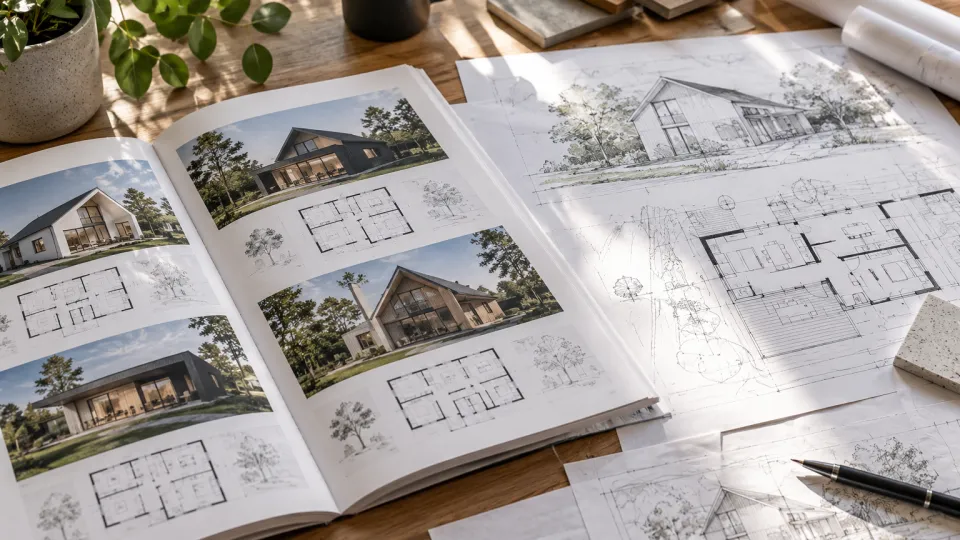
It is worth talking to an architect as soon as you have an idea, rather than waiting until you are ready to commission a construction project. An architect can help turn your needs into a well-considered spatial design and assess how the proposed building or alteration fits the plot, budget and surrounding environment. The extent of the architect’s involvement depends on the project and the agreed scope of work.
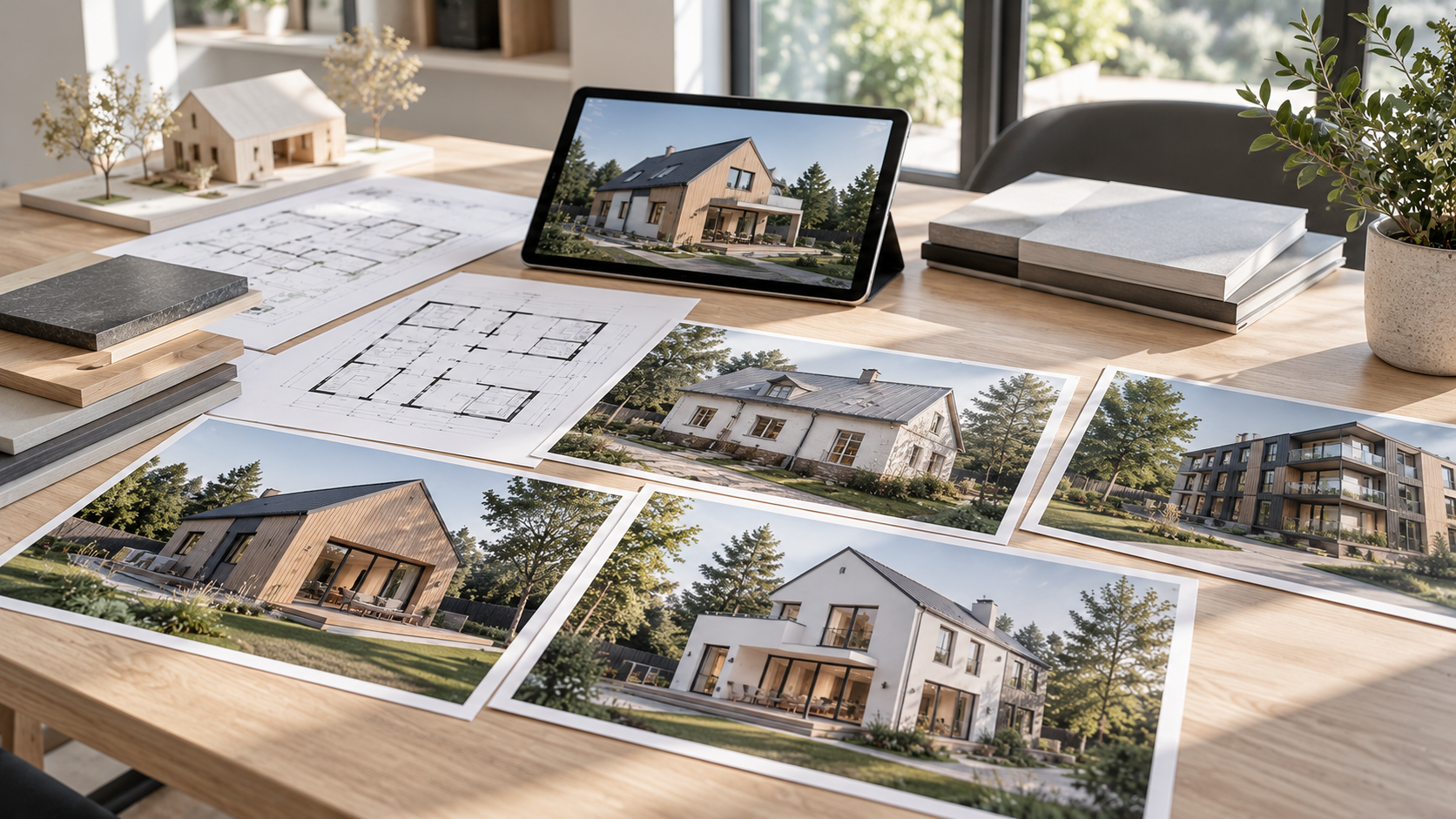
An architect’s work goes beyond designing a house’s exterior. A good spatial design combines everyday comfort and usability with technical and financial considerations, while taking into account the building’s relationship with its surroundings. An architect can help with both designing a new home and altering, extending or changing the layout of an existing building.
When Should You Involve an Architect, and How Can They Help?
An architect’s work goes beyond designing a house’s exterior. A good spatial design combines everyday comfort and usability with technical and financial considerations, while taking into account the building’s relationship with its surroundings. An architect can help with both designing a new home and altering, extending or changing the layout of an existing building.
1. When Should You Involve an Architect?
When planning a new house, it is worth contacting an architect early, while you can still make decisions about the building’s size, room layout, orientation and how it will fit on the plot. Once the plans have been defined in detail, it may be more difficult to change decisions that affect usability, technical solutions and costs at the same time.
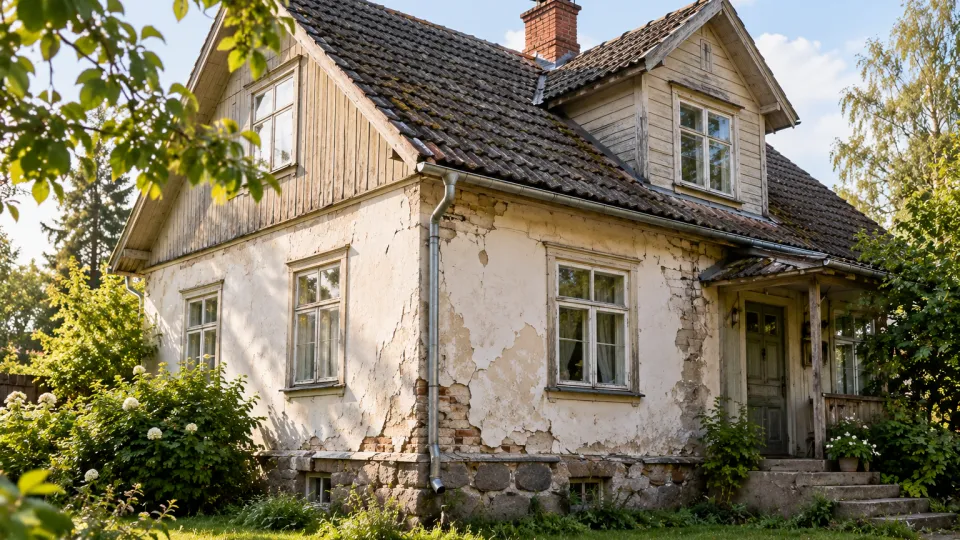
An architect can also be helpful if you want to extend or renovate an existing house, change how rooms are used, or find a solution for a challenging plot. For example, the plot’s shape and terrain, access, the location of neighbouring buildings and privacy requirements can all influence where and how a building should be designed.
You do not always need to commission a complete construction project straight away. Sometimes an initial consultation is enough to identify the main options, questions and next steps. It is important to agree with the architect on exactly what the consultation or commissioned work includes.
2. How Can an Architect Help?
Defining the Brief and Your Needs
An architect helps define what the building or space needs to accommodate. This involves discussing the needs of residents or users, the number and relationship of rooms, storage, circulation, daylight, privacy, potential future changes and the budget. The clearer these requirements are, the easier it is to compare different solutions and commission a service of the right scope.
Positioning the Building and Assessing Its Suitability for the Plot
An architect can assess how the building could be positioned on the plot, which views and sunlight conditions matter, and how to arrange the entrance, parking and outdoor areas. The design must also take account of planning requirements, design conditions, restrictions and other rules specific to the location. An architect’s initial assessment can help identify issues, but where necessary it does not replace an official decision by the local authority or required surveys.
Spatial Design and Exterior Appearance
An architect helps develop the room layout, building proportions, window positions, materials and exterior design so that they reflect both the client’s wishes and the applicable building conditions. The goal does not have to be the largest or most striking house. A well-designed solution can be modest, practical and within budget while still providing a high-quality living environment.
Coordinating with Other Specialists
The architectural design often affects the planning of structural elements, heating, ventilation, electrical systems, water supply and drainage. An architect may work with other designers or coordinate their work if this falls within their professional competence and the agreed scope of the contract. Architects do not necessarily prepare every specialist design themselves, so it is worth asking at the outset which specialists are needed and who will arrange their involvement.
3. Is an Architect Always Required?
A full architectural service is not necessary in every situation. The required documentation and professional qualifications depend on the type of building, the nature of the work and the applicable construction requirements. Some projects may need only a limited design service or another suitably qualified designer, while others require a construction project and appropriately qualified professionals responsible for its relevant sections.
Do not base your decision solely on whether a neighbour completed similar work without an architect. Before starting, check with the local authority or a qualified designer whether the work requires a construction notice, building permit, construction project or other documents. Where specific professional qualifications are required, the person responsible for the work must meet those requirements. Professional qualifications and their scope can be checked in the Estonian Register of Professions.
4. How Do You Start Working with an Architect?
You do not need to have a finished project before your first conversation. However, having clear initial information will help:
- Describe what you want to build, extend or change, and who will use the space.
- List your main wishes and needs, including the things you are not willing to compromise on.
- Provide the property or existing building’s address, along with any available plans, photographs or surveys.
- Give a realistic estimate of your budget and timeline, or explain which details still need to be clarified.
- Ask what initial information or surveys may be needed before design work begins.
Before signing a contract, agree on the scope and deliverables: are you commissioning a consultation, a preliminary design, the architectural section of a project or a broader service? Ask whether meetings, revisions, coordination with other specialists and communication with the local authority are included in the price. Set out the deadlines, payment terms and procedure for agreeing on additional work.
5. How Can You Tell Whether an Architect Is Right for Your Project?
Review their previous work, but do not judge suitability by images alone. Ask about their experience with projects similar to yours, their design process and how communication is handled. A good working relationship allows you to ask questions and understand the proposed solutions.
Clarify who will prepare and take responsibility for the architectural section, and whether specific professional qualifications are required for the work. Do not assume that a quotation from an architectural practice includes all technical design sections. Compare quotations based on the same scope of work and deliverables, not just the final price.
Checklist Before Contacting an Architect
- What do I want to build or change in an existing building?
- What essential needs must the new spatial design meet?
- What information do I already have about the plot or building?
- What is my initial budget and timeline?
- Do I need an initial consultation or want to commission a specific part of the project?
- Who will arrange the involvement of other designers, and which services are excluded from the quotation?
Frequently Asked Questions
Should I Consult an Architect Before Buying a Plot?
An early consultation can help you consider whether the plot and its location are suitable for the building you have in mind and identify questions that need to be resolved before making a decision. It does not replace checking official planning information, restrictions or other relevant circumstances. If the plot’s suitability is important to your purchase decision, verify the necessary information through official sources and seek professional advice where needed.
Can an Architect Prepare the Entire Construction Project?
An architect can prepare the architectural section of a construction project and, where their qualifications and the agreement allow, lead or coordinate the overall design process. Structural and building-services sections may require specialists in those fields. The division of work and responsibilities should be agreed in the contract.
Can an Architect Guarantee That Construction Will Stay Within Budget?
An architect can help establish a brief based on the budget and compare design options, but cannot guarantee the final construction cost alone. The actual cost depends on factors such as the structure, technical solutions, materials, the contractor’s quotation, market conditions and changes made during the work. The budget should be monitored throughout both the design and construction stages.
Find the Right Architect for Your Project
If you are planning a new home, want to modify an existing building or need help developing a spatial layout, start by describing your needs. Through BeforeBuilding, you can submit a free enquiry and connect with specialists interested in your project. Explain as clearly as possible what kind of help you need – this makes it easier to find a partner with the right experience and scope of services for your project.
Useful Sources
This article is intended as general practical guidance. For a specific project, always check the current requirements, local authority conditions and the qualifications required of the professionals involved.
- Estonian Register of Professions – Authorised Architect, Level 7 (job description and professional competence): https://www.kutseregister.ee/ctrl/et/Standardid/vaata/11511268
- Building Code – requirements for buildings, preparation of construction projects and competent persons: https://www.riigiteataja.ee/akt/121112025013?leiaKehtiv
- Regulation “Requirements for Construction Projects” – project content and preparation requirements: https://www.riigiteataja.ee/akt/127122024025?leiaKehtiv